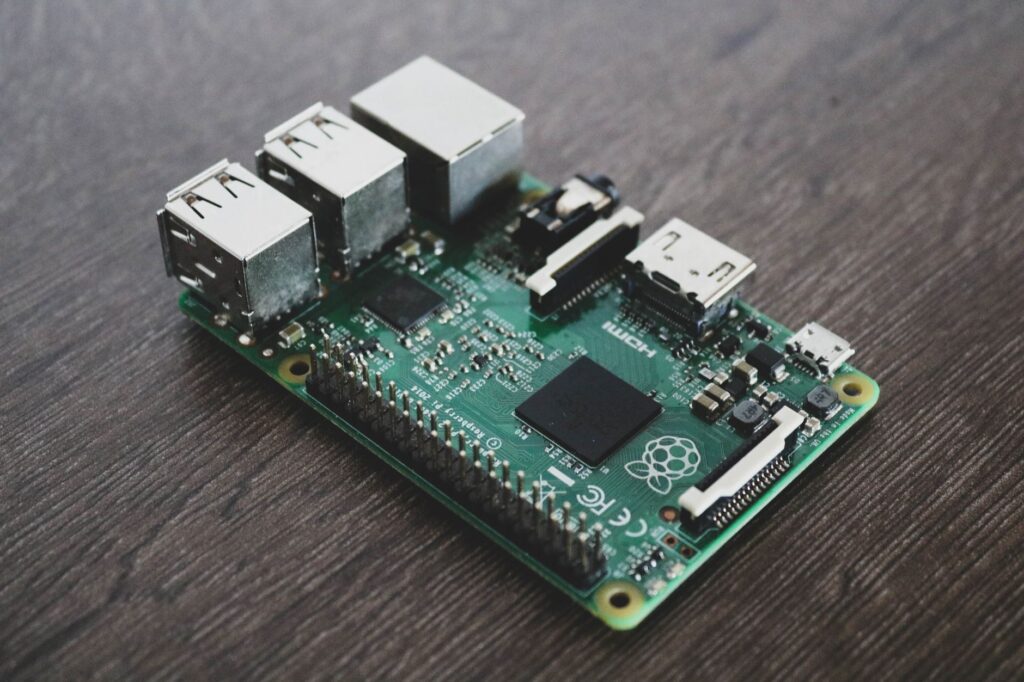
The democratization of technology has fundamentally transformed how individuals engage with electronics and computing, moving from passive consumption toward active creation and innovation. Today’s accessible maker platforms enable hobbyists, students and professionals to design, build and deploy sophisticated projects without requiring deep expertise in electrical engineering or programming. The convergence of affordable hardware, intuitive software environments and vibrant online communities has made creative computing accessible to anyone with curiosity and determination.
The Foundation of Modern Maker Culture
Maker technology encompasses single-board computers, microcontrollers, sensors and development environments designed for accessibility and extensibility. These platforms prioritize ease of entry while supporting advanced projects, creating a learning curve that accommodates beginners and challenges experienced developers simultaneously. Educational institutions embrace these tools because they provide practical pathways to understanding computational thinking, electronics principles and systems integration.
Modern maker platforms emphasize community support, comprehensive documentation and robust ecosystems of compatible components. Raspberry Pi exemplifies this philosophy by combining powerful computing capabilities with minimal power consumption, extensive peripheral support and educational resources designed to enable learners at every level to explore technology creatively.
Practical Applications of DIY Computing
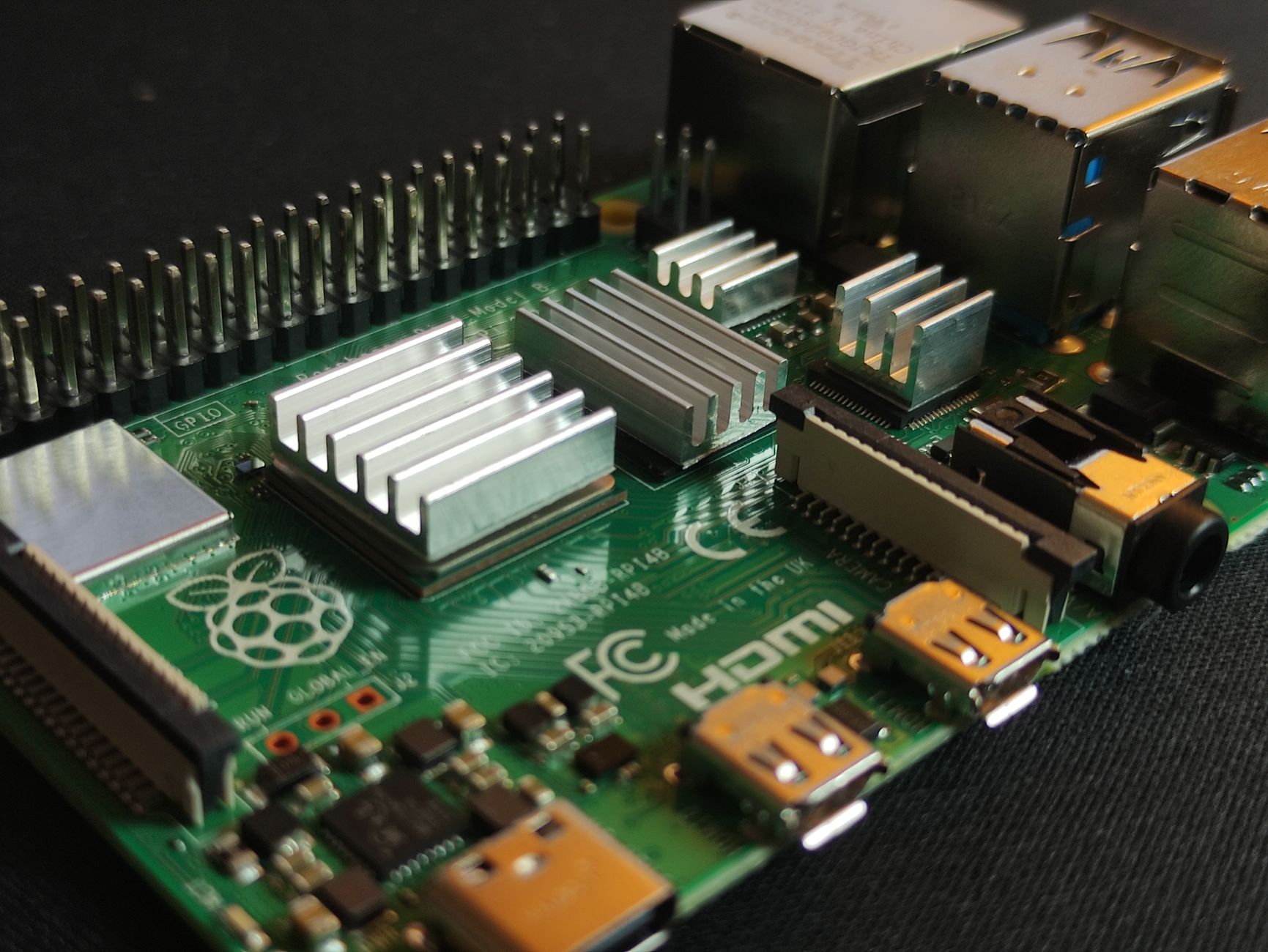
The spectrum of maker projects ranges from environmental monitoring systems that collect temperature and humidity data, to automation solutions that control lighting and climate in residential or commercial spaces, to robotic platforms that explore autonomous navigation and machine vision. Each category of projects develops different skill sets sensor integration teaches electronics fundamentals, software development builds programming proficiency and systems integration cultivates problem-solving across multiple domains.
Professional applications increasingly overlap with hobbyist projects. Raspberry Pi supports deployments in agricultural monitoring, industrial automation, scientific research and data collection, proving that accessible maker platforms can address serious technical challenges. The same platform enabling a student’s first temperature sensor supports weather stations, livestock monitoring systems and atmospheric research instruments.
Essential Components for DIY Electronics Projects
- Single-board computers provide processing power, memory and connectivity in a compact form factor suitable for embedded applications.
- Microcontroller boards offer dedicated computation with minimal power consumption for specialized sensing and control tasks.
- Sensor modules translate physical phenomena into digital data, enabling projects to perceive and respond to environmental conditions.
- Actuators and relay modules translate digital commands into physical actions, enabling projects to control motors, lights and other equipment.
- Development boards with integrated features reduce prototyping time and accelerate learning by simplifying hardware setup.
Programming Environments and Language Selection
Accessible programming environments have dramatically lowered barriers to software development for hardware projects. Visual block-based programming teaches algorithmic thinking through intuitive interfaces, while text-based languages provide the flexibility and power necessary for sophisticated applications. Most maker platforms support multiple programming languages and development paradigms, allowing learners to advance from visual programming to professional-grade development as skills develop.
Raspberry Pi supports Python as a primary language due to its clarity and expressiveness, plus multiple alternative languages for learners with different preferences. This flexibility enables educators to meet learners where they are, building foundational skills before advancing to professional software development practices. Online tutorials and community projects provide learning pathways adapted to different experience levels and learning styles.
Networking and Connectivity in Maker Projects
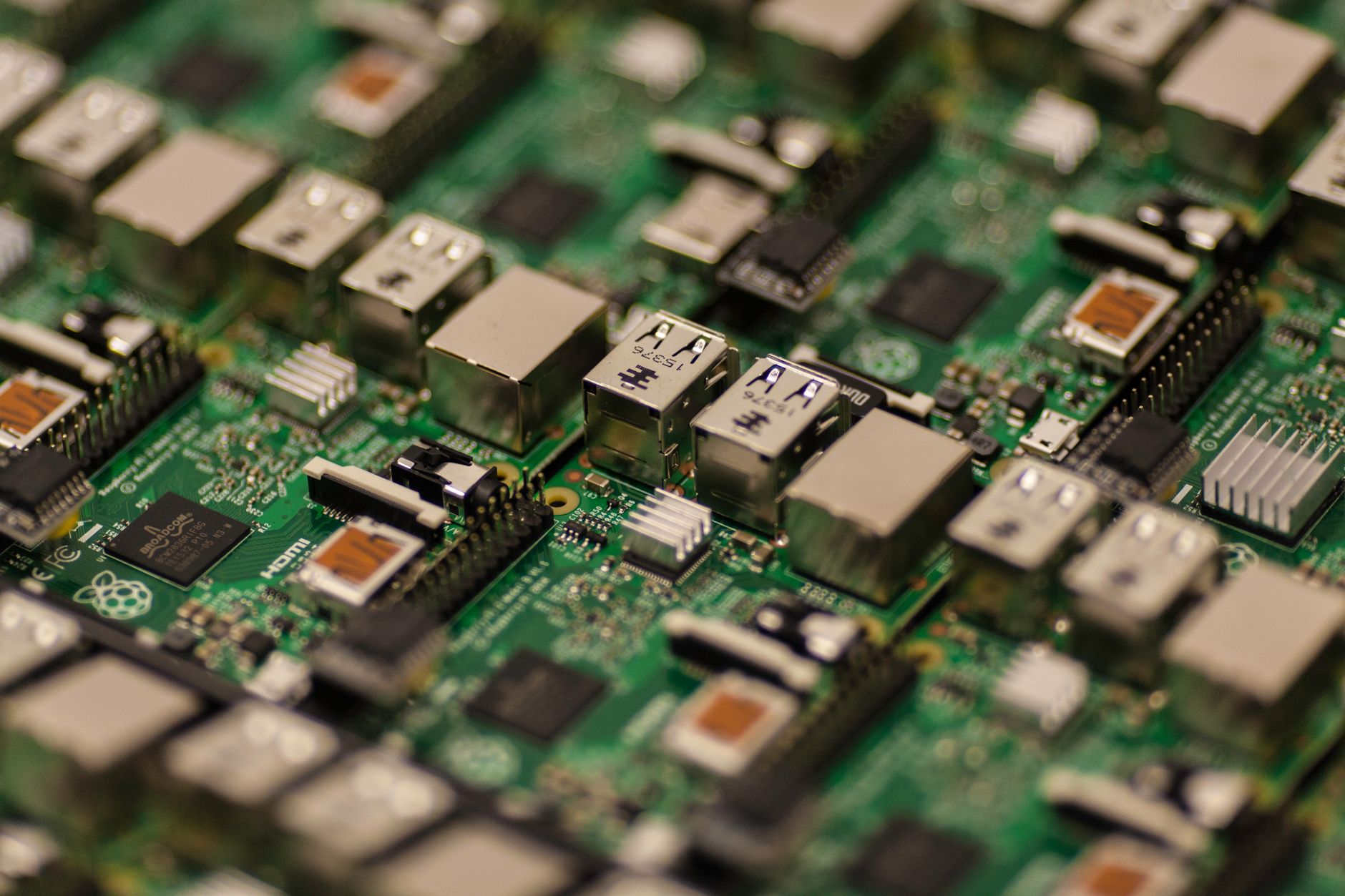
Most modern maker applications involve networked systems that collect, process and share data across multiple platforms. Built-in networking capabilities, WiFi, Bluetooth and cellular connectivity options enable projects to operate within larger ecosystems. Understanding how devices communicate, secure data transmission and interact with cloud services has become essential knowledge for contemporary maker work.
Edge computing, where data processing occurs on local devices rather than centralized servers, has become increasingly relevant in maker applications. Raspberry Pi platforms can operate as edge computing nodes, processing sensor data locally and transmitting only refined information, reducing bandwidth requirements and enabling real-time responses to changing conditions. This architectural approach supports latency-sensitive applications and reduces dependence on cloud connectivity.
Learning Resources and Community Support
The vibrancy of maker communities transforms technology learning from isolated study into collaborative exploration. Online forums, tutorial repositories, project galleries and maker spaces provide peer support, inspiration and technical guidance. Educators worldwide have built curricula around accessible platforms, creating structured pathways for learners to progress from basic concepts through advanced projects.
Maker education emphasizes experiential learning where understanding develops through building and debugging actual projects. Raspberry Pi communities have created thousands of documented projects with step-by-step instructions, component lists and troubleshooting guides. This resource abundance means beginners can find guidance for virtually any project interest, whether environmental monitoring, home automation, robotics or creative computing applications.
From Hobby to Professional Development
Many professionals began their technical careers through maker activities, developing skills that proved directly applicable to educational pathways and professional employment. Companies increasingly value hands-on technical skills demonstrated through portfolio projects, making maker accomplishments relevant to career advancement. Educational institutions recognize maker competencies as valuable indicators of problem-solving ability and technical depth.
The maker community has evolved into an inclusive space welcoming participants from diverse backgrounds, with particular emphasis on broadening participation in technology fields traditionally underrepresented. Raspberry Pi Foundation supports educational initiatives specifically designed to reach underserved populations, believing that technology capability development benefits from diverse perspectives and widespread participation. This commitment transforms maker technology from hobbyist pursuit into pathway toward broader technological literacy and opportunity.