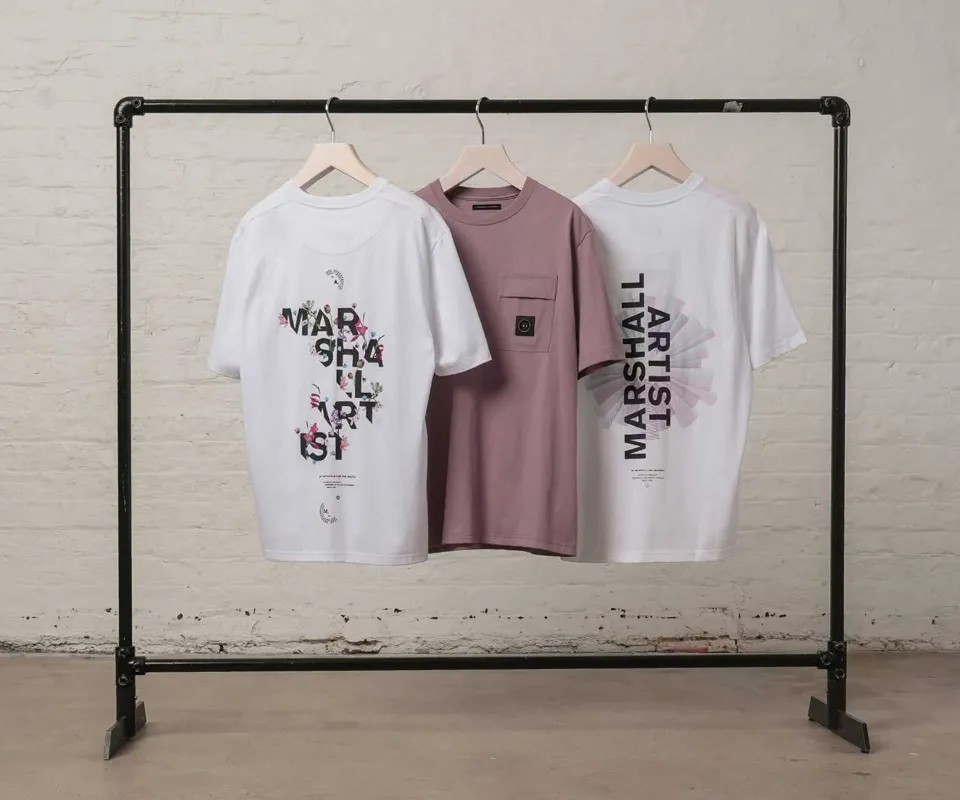
Refined casual dressing depends less on formal clothing than on well-chosen everyday pieces. A clean fit, balanced proportions and fabrics that hold their shape can make simple combinations feel considered without making them uncomfortable.
Define What Refined Casual Means in Daily Life
The wardrobe should reflect actual routines. Someone who divides time between work, travel and social plans may need overshirts, knitwear, neat trainers and versatile trousers more than highly formal tailoring. Identifying repeated situations prevents the collection from becoming impressive in theory but impractical in use.

Fit has the strongest effect on appearance. Shoulder seams, sleeve length, trouser break and body width determine whether a garment looks intentional. Relaxed clothing can still have structure, while a close fit should allow natural movement. Fabric adds another layer. Dense jersey, smooth knitwear and substantial cotton often create a cleaner outline than very thin materials.
Use Fit and Fabric to Elevate Simple Outfits
Designer pieces can be introduced selectively. A distinctive jacket, premium sweatshirt or well-cut pair of trousers may carry an outfit when the remaining items are simple. Designerwear can be approached as one source for these focal pieces, but the useful question is whether each option works with shoes, layers and colours already present in the wardrobe.
Create Reliable Combinations Around Core Pieces
A limited palette makes coordination easier. Navy, charcoal, cream, olive, brown and black can form a flexible base, while one or two stronger colours add personality. Texture can create variety without requiring bold patterns. Ribbed knitwear, brushed cotton, suede and technical fabrics can make neutral outfits feel layered and deliberate.
Questions to Ask Before Adding Designer Clothing

- Identify the setting in which the garment will be worn most often.
- Compare the cut with a similar piece that already fits well.
- Check whether the fabric suits the expected season and care routine.
- Confirm that the colour works with several existing outfits.
- Avoid paying for a logo when the garment does not solve a practical need.
Choose Longevity Over Immediate Novelty
Cost per wear is more useful than price alone, but it must be estimated honestly. An expensive coat used regularly can offer stronger value than a lower-priced statement piece worn once. Care requirements also influence real value. Dry-clean-only garments, delicate trims and surfaces that mark easily may not suit a busy routine. When reviewing Designerwear, shoppers can narrow the selection by lifestyle before considering labels or trends.
A useful decision also considers how the choice will behave after the first impression has passed. The item, service or experience should fit established routines, available storage, realistic maintenance and the needs of other people who share the space or activity. Comparing those conditions before buying makes it easier to distinguish a lasting solution from an option that is appealing mainly because it is new. Written measurements, a short list of essential requirements and photographs of the intended setting can make comparisons more objective and reduce avoidable returns or replacements.
Budget planning works best when it includes the complete cost of use. Delivery, installation, accessories, cleaning products, storage and possible alterations can matter as much as the initial price. A lower purchase price may offer poor value when the choice is difficult to maintain or does not perform the required task. Equally, a premium option is not automatically sensible when its additional features will remain unused. The strongest value comes from an appropriate level of quality, a clear purpose and a realistic expectation of how often the purchase will be used.

It is also helpful to pause before making the final decision. Leaving saved options for a short review period allows practical differences to become clearer and reduces the influence of urgency. During that review, the buyer can remove anything that fails a measurement, care or compatibility requirement. This process does not remove personal taste. It gives personal taste a stronger structure, so the chosen option can be enjoyed without creating unnecessary work, clutter or expense elsewhere. Notes made during comparison can also be kept for later purchases, creating a clearer record of successful measurements, materials and practical preferences. That record saves time and makes future decisions more consistent.
Practical choices also benefit from a clear stopping point. Once an option meets the essential measurements, use requirements, care expectations and budget, continuing to search can create confusion without improving the result. A final check should confirm that the decision feels suitable in ordinary use, not only in an ideal setting. That approach keeps the article topic connected to everyday needs and helps the reader act with confidence rather than chasing a theoretical perfect choice.
A refined casual wardrobe grows through editing. Strong basics create consistency, while selected designer pieces add character and construction where they matter most. Designerwear can support that approach when purchases are measured against fit, versatility and repeat use. The next addition should strengthen several outfits rather than create a new problem to solve. Designerwear can be reviewed within those limits as a final source of suitable options.