A useful menswear wardrobe is built around garments that work together rather than isolated pieces chosen for a single outfit. The strongest approach combines dependable basics, considered outerwear and a small number of distinctive items that reflect personal taste without limiting everyday flexibility.
Build Around the Way Clothing Is Actually Worn
Wardrobe planning begins with routine. A person who moves between an office, casual meetings and relaxed weekends needs different proportions from someone whose days are mostly outdoors or travel based. Looking at a normal week reveals which garments carry the most responsibility. Jackets, overshirts, knitwear, polos, T-shirts, trousers and footwear can then be selected according to real use rather than an imagined lifestyle.
Comfort remains essential even when the goal is a polished appearance. Shoulder width, sleeve length, trouser rise and fabric weight influence how naturally a garment moves. A structured jacket may look sharp but still needs enough room for a knit or sweatshirt underneath. A slim shirt should sit cleanly without pulling across the chest or restricting the arms. These practical details often determine whether a piece becomes a regular choice.
Men exploring designer options through Ragazzi Clothing can use this routine-based approach to narrow the selection. Instead of starting with labels or individual statement pieces, the buyer can identify missing roles in the wardrobe, such as a lightweight layer, dependable denim or footwear that works with several trouser shapes.
Create a Reliable Foundation of Colour and Fit
A coherent colour palette makes dressing easier. Navy, charcoal, olive, stone, black and clean shades of blue can provide a stable base, while brighter colours or patterns add personality in controlled amounts. The purpose is not to remove variety. It is to ensure that most tops work with most trousers and that outerwear does not require a separate set of supporting pieces.
Fit should remain consistent enough to create balance across outfits. Relaxed trousers often work well with slightly fuller overshirts, sweatshirts and jackets. Narrower trousers may suit cleaner knitwear, polos or tailored outer layers. Mixing proportions can be effective, but the contrast needs to look intentional. A very bulky coat over extremely slim trousers can feel disconnected unless the footwear and middle layers help bridge the difference.
Measurements are more useful than relying on a familiar size alone. Brands can interpret chest width, sleeve length and trouser dimensions differently. Product measurements, size guides and the dimensions of a well-fitting garment already owned provide a stronger reference. When browsing Ragazzi Clothing, comparing these details can reduce uncertainty and help the buyer judge how a garment will sit within existing outfits.
Use Layers to Extend Each Garment
Layering increases the number of ways each piece can be worn. A plain T-shirt can sit under an overshirt, sweatshirt or lightweight jacket. A polo can work alone, beneath knitwear or under a casual coat. An overshirt can operate as a shirt indoors and as a light outer layer when extra coverage is needed. This flexibility allows a smaller wardrobe to support different settings without feeling repetitive.
Fabric weight matters when layers are combined. Fine knitwear sits comfortably beneath fitted jackets, while heavier sweatshirts need outerwear with more space through the body and sleeves. Textures should also complement one another. Smooth cotton, denim, wool, suede and technical fabrics can add depth without relying on loud patterns. The result feels considered because the interest comes from material contrast and proportion.
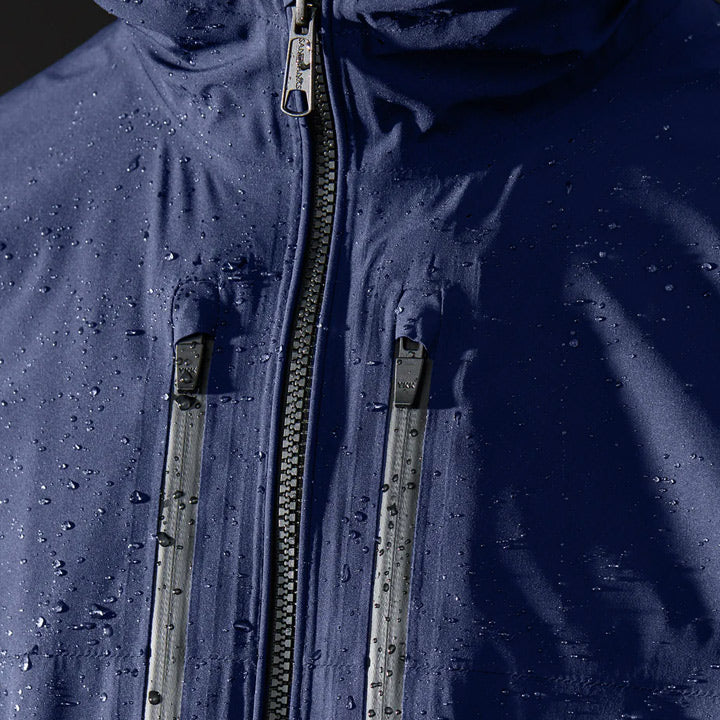
Seasonal adaptability does not require separate wardrobes. Midweight garments often bridge changing conditions more effectively than highly specialised pieces. A water-resistant jacket, substantial overshirt or versatile knit can support many combinations. Options found through Ragazzi Clothing can be considered according to how many existing layers they accommodate and how often they suit the wearer’s normal environment.
A Practical Menswear Buying Checklist
- Identify the exact wardrobe role the garment needs to fill.
- Compare measurements with a similar item that already fits well.
- Check that the colour works with at least three existing pieces.
- Review fabric weight and care needs before making a decision.
- Consider whether the item supports both casual and smarter combinations.
Balance Distinctive Pieces With Everyday Use
Designer clothing can bring stronger materials, recognisable details and more deliberate construction, but a higher price does not automatically make a garment useful. Value depends on fit, frequency of wear and compatibility with the rest of the wardrobe. A carefully made jacket that supports many outfits may offer more practical value than a striking item that only works in one narrow combination.
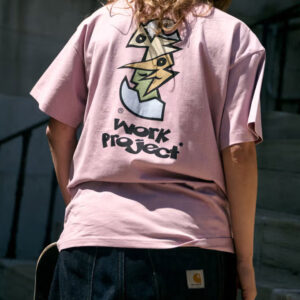
Distinctive pieces are most effective when surrounded by simpler garments. A patterned shirt can become the focus when worn with plain trousers and understated footwear. Statement outerwear can sit over neutral knitwear and denim. Branded sweatshirts or graphic tops often feel more balanced when the rest of the outfit remains quiet. This structure allows personality to appear without making every item compete for attention.
Footwear also affects the usefulness of clothing. Clean trainers can soften tailored trousers and make them suitable for relaxed settings. Leather shoes can give denim or chinos a more refined finish. Boots add weight to outerwear and workwear-inspired layers. Before buying a new garment, the wearer should picture it with footwear already owned because the lower half of an outfit often determines whether the overall result feels casual, formal or somewhere between the two.
Care requirements deserve the same attention as style. Dry-clean-only outerwear, delicate knitwear and pale suede may suit some routines but create unnecessary difficulty in others. Garments worn frequently should match the time and effort the owner is willing to spend on washing, drying, brushing, steaming or professional care. Storage space also matters, especially for structured coats and footwear that need to retain their shape.
A final wardrobe review can prevent duplication. Several navy jackets may appear different online but serve nearly the same purpose once worn. The buyer can compare a possible purchase with existing pieces by considering colour, weight, shape and level of formality. A new item should either replace something that no longer works or add a clear capability that is missing.
A versatile designer wardrobe grows through deliberate choices rather than constant additions. Ragazzi Clothing can be approached as one source for menswear that fits a broader plan, while the deciding factors should remain personal routine, accurate fit and realistic outfit combinations. The most successful purchase is one that enters regular rotation, supports clothing already owned and makes everyday dressing more straightforward.