
Kitchen appliances shape daily routines, energy use and storage, so the buying process should begin with the room and household rather than a list of popular features. Accurate measurements and realistic habits can prevent an expensive product from becoming inconvenient.
Map the Room Before Comparing Models
The first task is to record width, height and depth at several points b ecause walls and floors are not always perfectly square. Door swing, ventilation space, plug position, water connections and access routes also matter. A refrigerator that fits the final opening may still be impossible to move through a narrow hallway or turn around a staircase.

Capacity should reflect how the household cooks and shops. A large oven can be useful for batch cooking, while a compact dishwasher may suit a smaller home with limited daily loads. Laundry appliances need enough drum space for typical items without encouraging constant half-empty cycles. Appliance City covers cooking, laundry, refrigeration, dishwashing and related kitchen categories, which can help a buyer compare the wider room plan in one place.
Match Capacity to the Household Rather Than Assumptions
Feature lists need interpretation. A rapid programme may suit lightly used items but not replace a full wash. Flexible refrigerator zones can be useful when food storage changes frequently. Induction cooking offers responsive control but requires compatible cookware and suitable electrical provision. The benefit only exists when the feature matches a genuine routine.
Look Beyond Headline Features
Energy information helps comparison, but expected usage also matters. A highly efficient large appliance can consume more overall than a smaller model that meets the household’s needs. Standby settings, drying methods, temperature choices and maintenance influence real performance. When comparing options at Appliance City, shoppers can place dimensions, capacity, energy data and essential functions in a simple table rather than comparing products through marketing descriptions alone.
An Appliance Planning Checklist
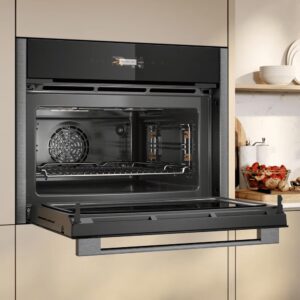
- Measure the appliance opening and the full delivery route.
- Confirm electrical, gas, water and ventilation requirements.
- Choose capacity according to normal household loads.
- Review noise information for open-plan or compact homes.
- Check installation and recycling arrangements before ordering.
Consider Installation, Care and Long-Term Use
Maintenance access deserves consideration. Filters, seals, detergent drawers, condenser units and drain points should be reachable without moving heavy cabinetry. Clear access supports cleaning and can extend reliable operation. Finishes also affect daily care. Dark glass and polished metal may show marks more readily than textured or lighter surfaces, which matters in a frequently used family kitchen.
A useful decision also considers how the choice will behave after the first impression has passed. The item, service or experience should fit established routines, available storage, realistic maintenance and the needs of other people who share the space or activity. Comparing those conditions before buying makes it easier to distinguish a lasting solution from an option that is appealing mainly because it is new. Written measurements, a short list of essential requirements and photographs of the intended setting can make comparisons more objective and reduce avoidable returns or replacements.
Budget planning works best when it includes the complete cost of use. Delivery, installation, accessories, cleaning products, storage and possible alterations can matter as much as the initial price. A lower purchase price may offer poor value when the choice is difficult to maintain or does not perform the required task. Equally, a premium option is not automatically sensible when its additional features will remain unused. The strongest value comes from an appropriate level of quality, a clear purpose and a realistic expectation of how often the purchase will be used.
It is also helpful to pause before making the final decision. Leaving saved options for a short review period allows practical differences to become clearer and reduces the influence of urgency. During that review, the buyer can remove anything that fails a measurement, care or compatibility requirement. This process does not remove personal taste. It gives personal taste a stronger structure, so the chosen option can be enjoyed without creating unnecessary work, clutter or expense elsewhere. Notes made during comparison can also be kept for later purchases, creating a clearer record of successful measurements, materials and practical preferences. That record saves time and makes future decisions more consistent.
Practical choices also benefit from a clear stopping point. Once an option meets the essential measurements, use requirements, care expectations and budget, continuing to search can create confusion without improving the result. A final check should confirm that the decision feels suitable in ordinary use, not only in an ideal setting. That approach keeps the article topic connected to everyday needs and helps the reader act with confidence rather than chasing a theoretical perfect choice.
The right appliance is the one that fits the room, supports normal habits and can be installed safely. Appliance City can provide a broad selection for comparison, while the quality of the decision depends on preparation. Measuring first, separating essential functions from optional extras and confirming installation details can turn a complex purchase into a controlled process. Appliance City can be reviewed within those limits as a final source of suitable options.