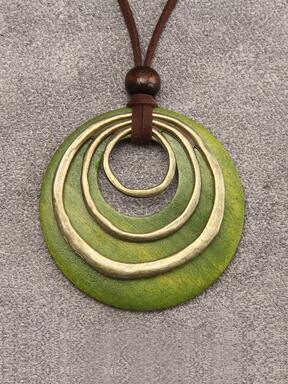
A flexible wardrobe is built through coordination rather than constant expansion. When each new garment connects with several pieces already owned, getting dressed becomes easier and fewer purchases are left unworn.
Identify the Clothes That Already Earn Regular Wear
The process starts with observation. The garments worn most often usually reveal preferred shapes, colours and levels of formality. Someone who repeatedly chooses relaxed trousers, fitted tops and lightweight layers can use that pattern as a guide. Clothing that looks appealing but conflicts with daily routines is less likely to become useful, even when it follows a popular style.
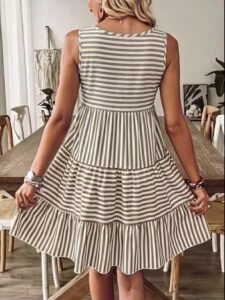
Colour planning creates immediate structure. A base of two or three neutrals can support a smaller group of accent colours, prints or textures. This does not require every outfit to look identical. It simply ensures that jackets, shoes and bags can move between combinations without creating a separate set of accessories for each look. A broad marketplace such as SHEIN can be easier to navigate when a shopper begins with a defined palette and garment list.
Use Colour and Proportion to Improve Coordination
Online clothing decisions improve when the shopper looks beyond the styled image. Garment measurements, fabric composition, stretch, lining and closure details help explain how an item may sit on the body. Comparing those details with a similar piece already owned is more reliable than relying on a usual size alone. Reviews can provide context, but they should not replace personal measurements and care preferences.
Assess Fabric, Fit and Construction Online
Proportion is another useful filter. A loose top may work best with a straighter lower half, while wide trousers can be balanced by a shorter or more defined upper layer. These are flexible principles rather than strict rules. The purpose is to understand why some combinations feel intentional while others feel visually heavy. When browsing SHEIN, shoppers can save suitable options first, then compare them together before deciding which one fills the clearest gap.
A Focused List for Smarter Clothing Choices
- List the missing garment type before opening a shopping platform.
- Choose a colour that works with at least three existing pieces.
- Compare garment measurements with clothing that already fits well.
- Check fabric composition and care instructions before purchasing.
- Avoid adding an item that duplicates a rarely worn piece.
Let New Pieces Support Existing Style
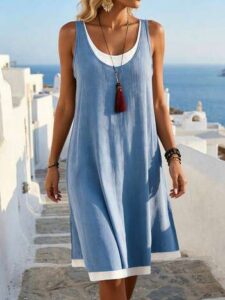
Accessories can refresh familiar outfits with less storage than additional clothing. A belt, simple jewellery, a structured bag or a different shoe shape can change the balance of an outfit. Even so, accessories should follow the same usefulness test. A piece that only works with one rarely worn look may create more clutter than value.
A useful decision also considers how the choice will behave after the first impression has passed. The item, service or experience should fit established routines, available storage, realistic maintenance and the needs of other people who share the space or activity. Comparing those conditions before buying makes it easier to distinguish a lasting solution from an option that is appealing mainly because it is new. Written measurements, a short list of essential requirements and photographs of the intended setting can make comparisons more objective and reduce avoidable returns or replacements.
Budget planning works best when it includes the complete cost of use. Delivery, installation, accessories, cleaning products, storage and possible alterations can matter as much as the initial price. A lower purchase price may offer poor value when the choice is difficult to maintain or does not perform the required task. Equally, a premium option is not automatically sensible when its additional features will remain unused. The strongest value comes from an appropriate level of quality, a clear purpose and a realistic expectation of how often the purchase will be used.
It is also helpful to pause before making the final decision. Leaving saved options for a short review period allows practical differences to become clearer and reduces the influence of urgency. During that review, the buyer can remove anything that fails a measurement, care or compatibility requirement. This process does not remove personal taste. It gives personal taste a stronger structure, so the chosen option can be enjoyed without creating unnecessary work, clutter or expense elsewhere. Notes made during comparison can also be kept for later purchases, creating a clearer record of successful measurements, materials and practical preferences. That record saves time and makes future decisions more consistent.
Practical choices also benefit from a clear stopping point. Once an option meets the essential measurements, use requirements, care expectations and budget, continuing to search can create confusion without improving the result. A final check should confirm that the decision feels suitable in ordinary use, not only in an ideal setting. That approach keeps the article topic connected to everyday needs and helps the reader act with confidence rather than chasing a theoretical perfect choice.
Intentional wardrobe planning protects personal style from becoming a sequence of disconnected purchases. It encourages the shopper to notice fit, fabric, colour and repeat use before reacting to novelty. SHEIN can provide a wide field of options within that process, while the discipline comes from the shopper’s own list and limits. The strongest next purchase is the one that solves a real wardrobe need and creates several believable outfits. SHEIN can be reviewed within those limits as a final source of suitable options.