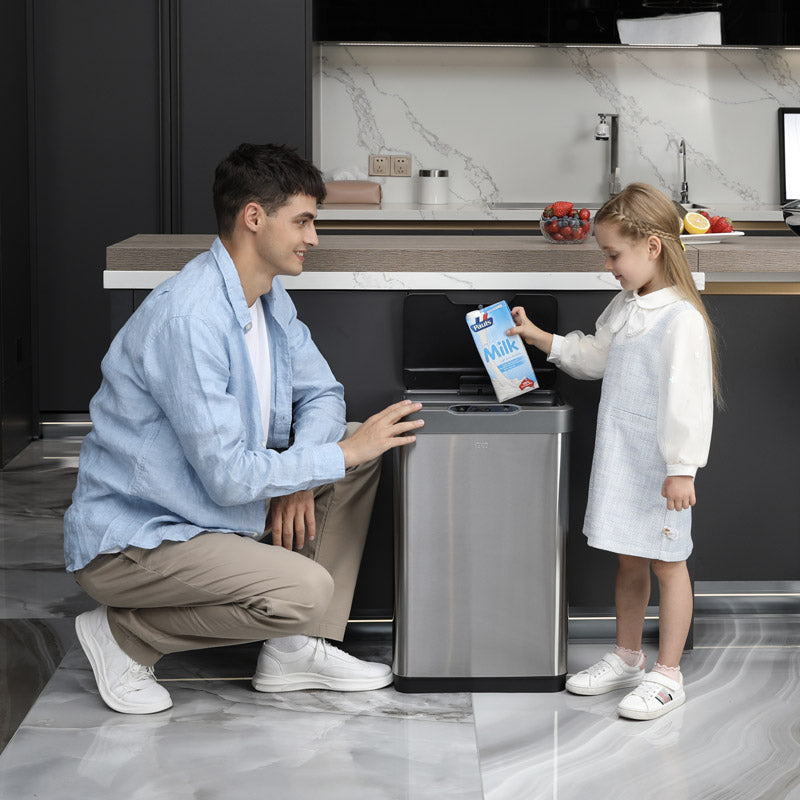
A practical waste system reduces mess by making the correct action easy. Bin placement, capacity, lid design and cleaning access matter more than hiding every container from view.
Study Where Waste Is Actually Produced
The kitchen usually produces several waste streams, including general rubbish, food scraps, packaging and recyclables. Tracking what fills first over a normal collection cycle reveals the required capacity more accurately than choosing the largest bin available. Oversized bins can allow odours to develop, while undersized containers create overflow and repeated emptying.
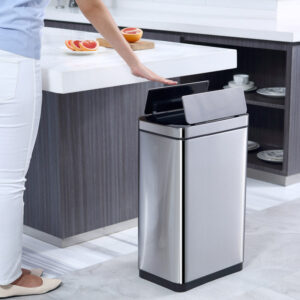
Placement should follow movement through the room. A food caddy near the preparation area, recycling close to where packaging is opened and general waste within reach of the main work zone can reduce spills. Pedal, touch and sensor lids each have different advantages. The best mechanism is the one that works reliably for the household and can be cleaned without difficulty.
Choose Bin Capacity Around Collection Habits
EKO Hom e includes pedal bins, sensor bins, recycling bins, food waste caddies and sinkside products, making it relevant when a household is designing a coordinated system rather than replacing one container at random. The brand can be considered after waste volumes and available spaces have been measured.
Make Recycling Easy to Understand
Clear labels can improve recycling, especially in shared homes. Labels should use familiar words and simple visual cues rather than long instructions. Internal dividers can help where floor space is limited, but each compartment still needs enough volume for the waste it receives. A split bin is only useful when the capacity balance matches the household’s actual rubbish.
A Simple Waste Station Checklist
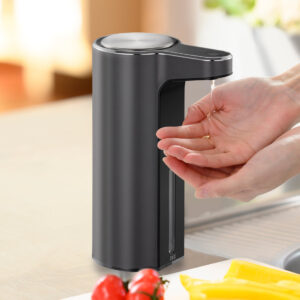
- Measure the floor area and lid clearance before choosing a bin.
- Separate waste streams according to local collection requirements.
- Select a capacity that matches the normal emptying schedule.
- Check that liners are easy to fit and remove.
- Choose surfaces and mechanisms that can be cleaned safely.
Keep the System Clean and Easy to Maintain
Odour control begins with routine. Food residue should be removed from recyclable packaging where local guidance requires it, food caddies should be emptied regularly and spills should be cleaned before they dry. Filters or fragrance accessories may support the system, but they do not replace cleaning. When selecting products from EKO Home, removable inner buckets and accessible hinges may be as important as appearance.
A useful decision also considers how the choice will behave after the first impression has passed. The item, service or experience should fit established routines, available storage, realistic maintenance and the needs of other people who share the space or activity. Comparing those conditions before buying makes it easier to distinguish a lasting solution from an option that is appealing mainly because it is new. Written measurements, a short list of essential requirements and photographs of the intended setting can make comparisons more objective and reduce avoidable returns or replacements.
Budget planning works best when it includes the complete cost of use. Delivery, installation, accessories, cleaning products, storage and possible alterations can matter as much as the initial price. A lower purchase price may offer poor value when the choice is difficult to maintain or does not perform the required task. Equally, a premium option is not automatically sensible when its additional features will remain unused. The strongest value comes from an appropriate level of quality, a clear purpose and a realistic expectation of how often the purchase will be used.
It is also helpful to pause before making the final decision. Leaving saved options for a short review period allows practical differences to become clearer and reduces the influence of urgency. During that review, the buyer can remove anything that fails a measurement, care or compatibility requirement. This process does not remove personal taste. It gives personal taste a stronger structure, so the chosen option can be enjoyed without creating unnecessary work, clutter or expense elsewhere. Notes made during comparison can also be kept for later purchases, creating a clearer record of successful measurements, materials and practical preferences. That record saves time and makes future decisions more consistent.
Practical choices also benefit from a clear stopping point. Once an option meets the essential measurements, use requirements, care expectations and budget, continuing to search can create confusion without improving the result. A final check should confirm that the decision feels suitable in ordinary use, not only in an ideal setting. That approach keeps the article topic connected to everyday needs and helps the reader act with confidence rather than chasing a theoretical perfect choice.
A clean waste station supports the whole kitchen because it reduces unnecessary movement, visible clutter and confusion. EKO Home can fit naturally into that plan as a source of organised bin and sinkside options. The sensible next step is to observe one collection cycle, record each waste stream and measure the locations where containers would be easiest to use. EKO Home can be reviewed within those limits as a final source of suitable options.