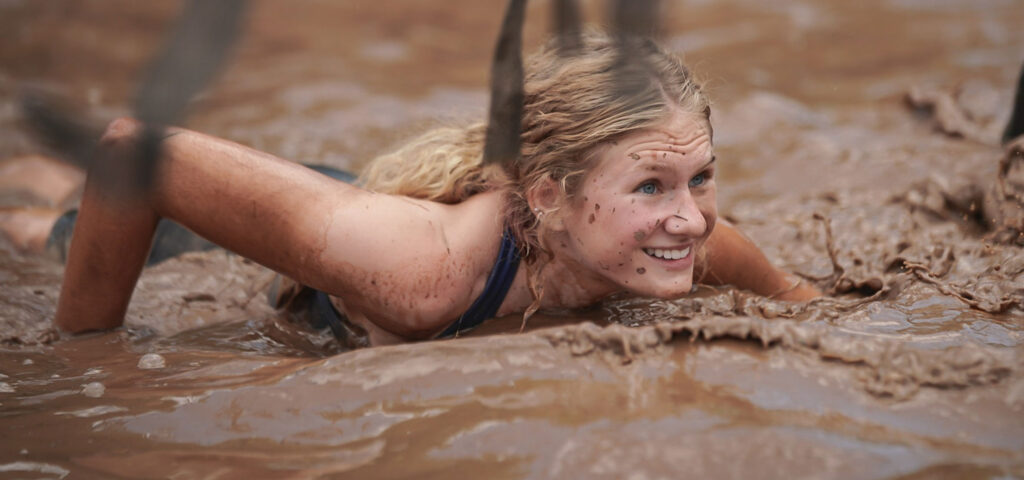
Mud and obstacle events combine running, climbing, carrying, crawling and teamwork, so preparation needs to be broader than a standard road-running plan. A steady programme can improve confidence while reducing the temptation to rely on last-minute intense sessions.
Build a Base Before Adding Intensity
The first priority is a basic level of cardiovascular fitness that allows sustained movement without constant exhaustion. Easy running, brisk walking, cycling or rowing can build that foundation. Sessions should increase gradually because tendons, joints and connective tissue adapt more slowly than motivation. Rest days are part of preparation rather than evidence that training has stopped.

Obstacle-specific work can then be added in manageable amounts. Farmer carries, step-ups, supported hangs, rows, squats and controlled crawling patterns develop qualities that transfer to common course demands. Grip training is useful, but it should not dominate every session because tired hands can affect technique. Participants considering Tough Mudder can prepare more effectively by combining general fitness with repeated practice of simple movement skills.
Train for Grip, Crawling and Uneven Ground
Uneven ground changes running mechanics and can expose weaknesses that remain hidden on a treadmill. Trail walks, gentle hill sessions and short runs on grass help the ankles and lower legs respond to changing surfaces. Training in poor conditions is not necessary, but occasional practice in safe wet weather can reveal whether footwear drains well and whether clothing becomes heavy or uncomfortable.
Plan Clothing and Footwear Around the Course
Teamwork also deserves practice. Many obstacles are designed around cooperation, communication and calm decision making. Training partners can rehearse giving clear instructions, supporting a controlled step and waiting until another person is stable before moving. Tough M udder places community and shared challenge at the centre of its events, so participants benefit from treating communication as a practical skill rather than an afterthought.
What to Prepare Before Event Day
- Increase weekly training volume gradually rather than adding several hard sessions together.
- Practise hanging and carrying with controlled posture instead of chasing maximum effort.
- Test shoes and clothing during training before using them at an event.
- Plan hydration and food around personal tolerance rather than copying another participant.
- Arrange clean clothing, towels and transport details before leaving home.
Recover With the Same Care Used in Training
Event-day pacing should feel conservative at the beginning. Adrenaline can make an easy effort feel unusually comfortable, but early overexertion often appears later as poor grip, heavy legs or rushed decisions. Walking steep sections, accepting help and bypassing an obstacle when necessary can be sensible choices. A challenge remains meaningful even when it is completed with restraint.
A useful decision also considers how the choice will behave after the first impression has passed. The item, service or experience should fit established routines, available storage, realistic maintenance and the needs of other people who share the space or activity. Comparing those conditions before buying makes it easier to distinguish a lasting solution from an option that is appealing mainly because it is new. Written measurements, a short list of essential requirements and photographs of the intended setting can make comparisons more objective and reduce avoidable returns or replacements.
Budget planning works best when it includes the complete cost of use. Delivery, installation, accessories, cleaning products, storage and possible alterations can matter as much as the initial price. A lower purchase price may offer poor value when the choice is difficult to maintain or does not perform the required task. Equally, a premium option is not automatically sensible when its additional features will remain unused. The strongest value comes from an appropriate level of quality, a clear purpose and a realistic expectation of how often the purchase will be used.

It is also helpful to pause before making the final decision. Leaving saved options for a short review period allows practical differences to become clearer and reduces the influence of urgency. During that review, the buyer can remove anything that fails a measurement, care or compatibility requirement. This process does not remove personal taste. It gives personal taste a stronger structure, so the chosen option can be enjoyed without creating unnecessary work, clutter or expense elsewhere. Notes made during comparison can also be kept for later purchases, creating a clearer record of successful measurements, materials and practical preferences. That record saves time and makes future decisions more consistent.
Practical choices also benefit from a clear stopping point. Once an option meets the essential measurements, use requirements, care expectations and budget, continuing to search can create confusion without improving the result. A final check should confirm that the decision feels suitable in ordinary use, not only in an ideal setting. That approach keeps the article topic connected to everyday needs and helps the reader act with confidence rather than chasing a theoretical perfect choice.
Recovery begins with warmth, fluids, food and attention to any cuts or unusual pain. Gentle movement can help stiffness, while hard training should wait until normal movement returns. Tough Mudder can provide a motivating target, but the most valuable result is a preparation process that builds durable fitness, sound judgement and confidence. Registration should follow an honest assessment of health, training consistency and readiness for the demands involved. Tough Mudder can be reviewed within those limits as a final source of suitable options.